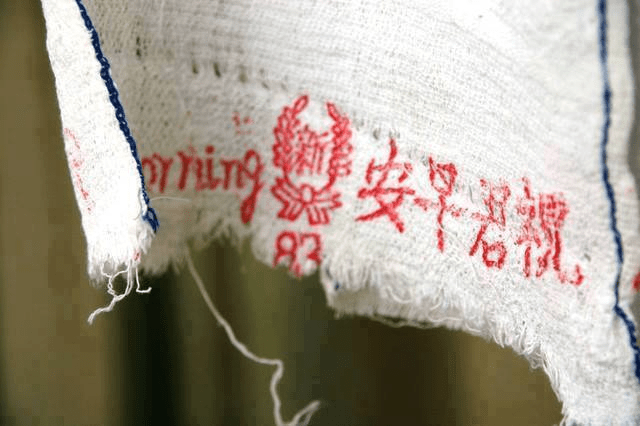
My earliest memory of the Good Morning towel was my grandfather’s funeral back in 1994. These tea towels were handed out to everyone at the funeral, and the red colour of the lettering was so sharp that it actually scared me (I was four years old back then). For a very long time, I associated that towel with funerals.
As I grew a bit older, I realised these towels are actually a common household item in Malaysia. From drying dishes to wiping hands, this super durable towel is used in homes, kopitiams, and often draped over the shoulders of labourers.
Come to think of it, have you ever seen a Good Morning towel in mint condition? It’s always worn out, somewhat darkish white in color, with a couple of holes here and there… yet the red letters are always sharp (and still a bit scary).
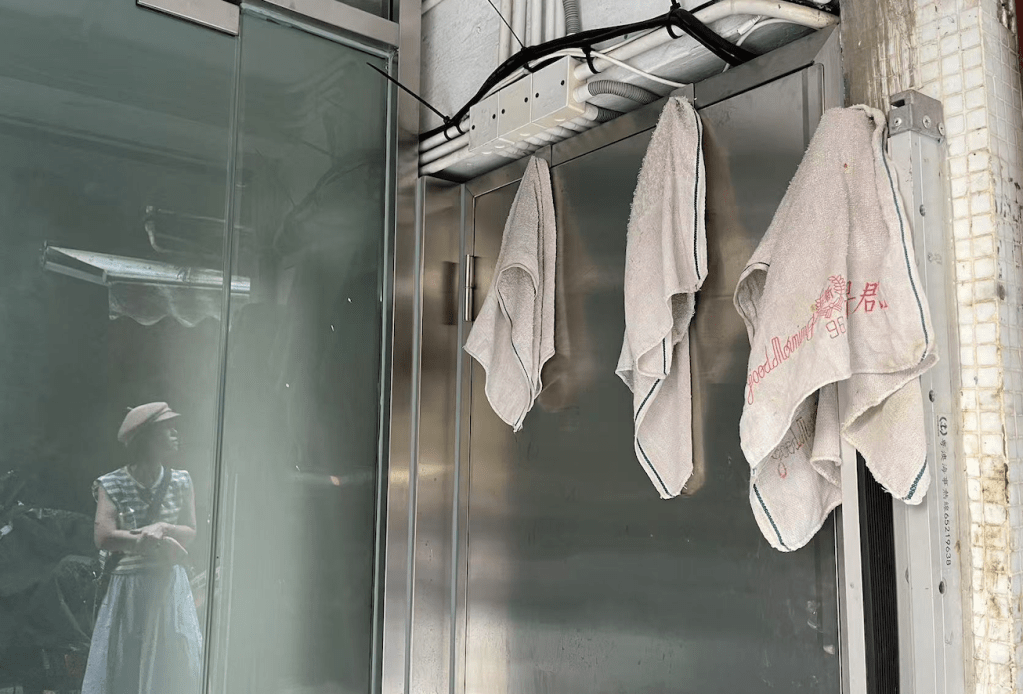
While on a city walk in old Macau, I was greeted by the familiar sight of Good Morning towels hung to dry outside shop premises. It made me wonder… what’s the origin story of these towels? Why ‘good morning’? Is this the OG of those good morning wishes our parents send on WhatsApp?
The Origins of the Good Morning Towel
The towel traces its origins back to the late 1920s, during a time when promoting domestic goods and fostering brand identity was gaining prominence in China. It wasn’t the most prosperous period in China’s history, and the towel quickly became a symbol of resilience during an era marked by hardship.
The spread of the Good Morning towel to Southeast Asia is likely linked to trade and migration patterns in the 20th century. In the early 1900s, many Chinese migrants moved to Southeast Asia, bringing with them not only their customs and culture but also everyday household items like the Good Morning towel.
Why “Good Morning”?
The phrase “Good Morning” is believed to have been printed to evoke a cheerful, fresh start to the day, particularly when these towels were first used in kitchens and homes.
During the colonial period, British influence in Hong Kong and Southeast Asia introduced many Western customs and language elements. And, being the opportunists that we are, the Chinese saw the chance to include an English greeting to appeal to British expatriates.
Why Is It So Iconic?
The towel carries a deep sense of nostalgia, rooted in its simple yet distinctive design—white cotton fabric with bold red lettering that has remained unchanged for decades.
For many, it evokes memories of family kitchens, bustling kopitiams, and the hardworking hands of labourers who used it daily. Its retro appeal lies in the way it seamlessly blends function and sentimentality, making it a comforting sight, even in unexpected places.
I mean, watching people airing their dirty tea towels outside may not sound very appealing, but I have to admit, it evoked a sense of familiarity and reminded me of… home.
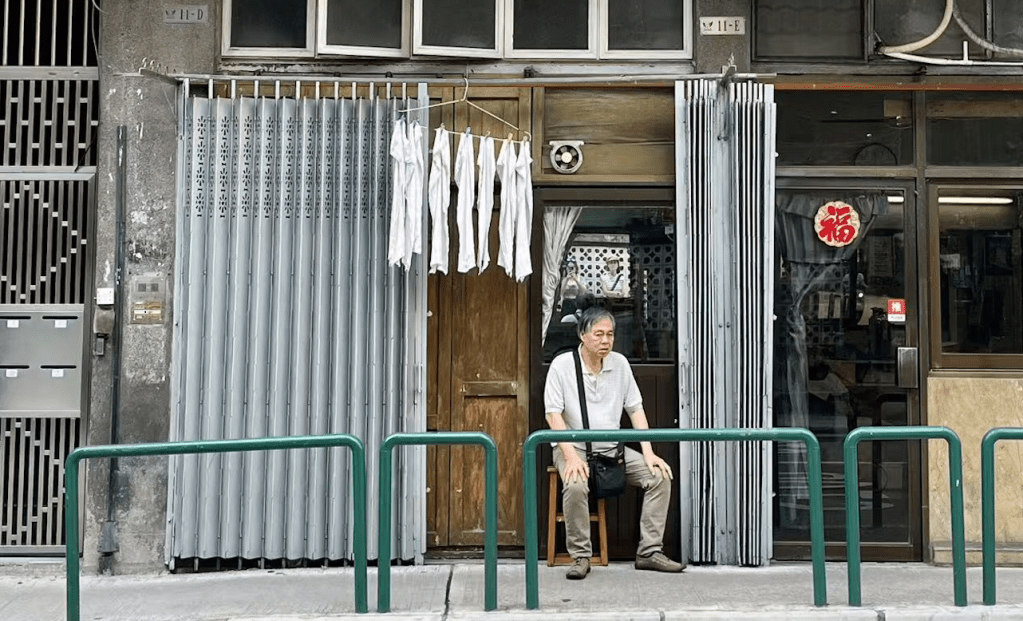
Who knew that a simple towel could hold such a big story? From drying dishes to resting on sweaty shoulders, the Good Morning towel has seen it all. It’s been there for funerals, coffee runs, and everything in between.
Whether it’s hanging to dry in a bustling city street or neatly folded in your drawer, the always-there, always-sharp (even when falling apart) Good Morning towel is proof that sometimes, old-school is still cool.
 Field Notes by Rene
Leave a comment